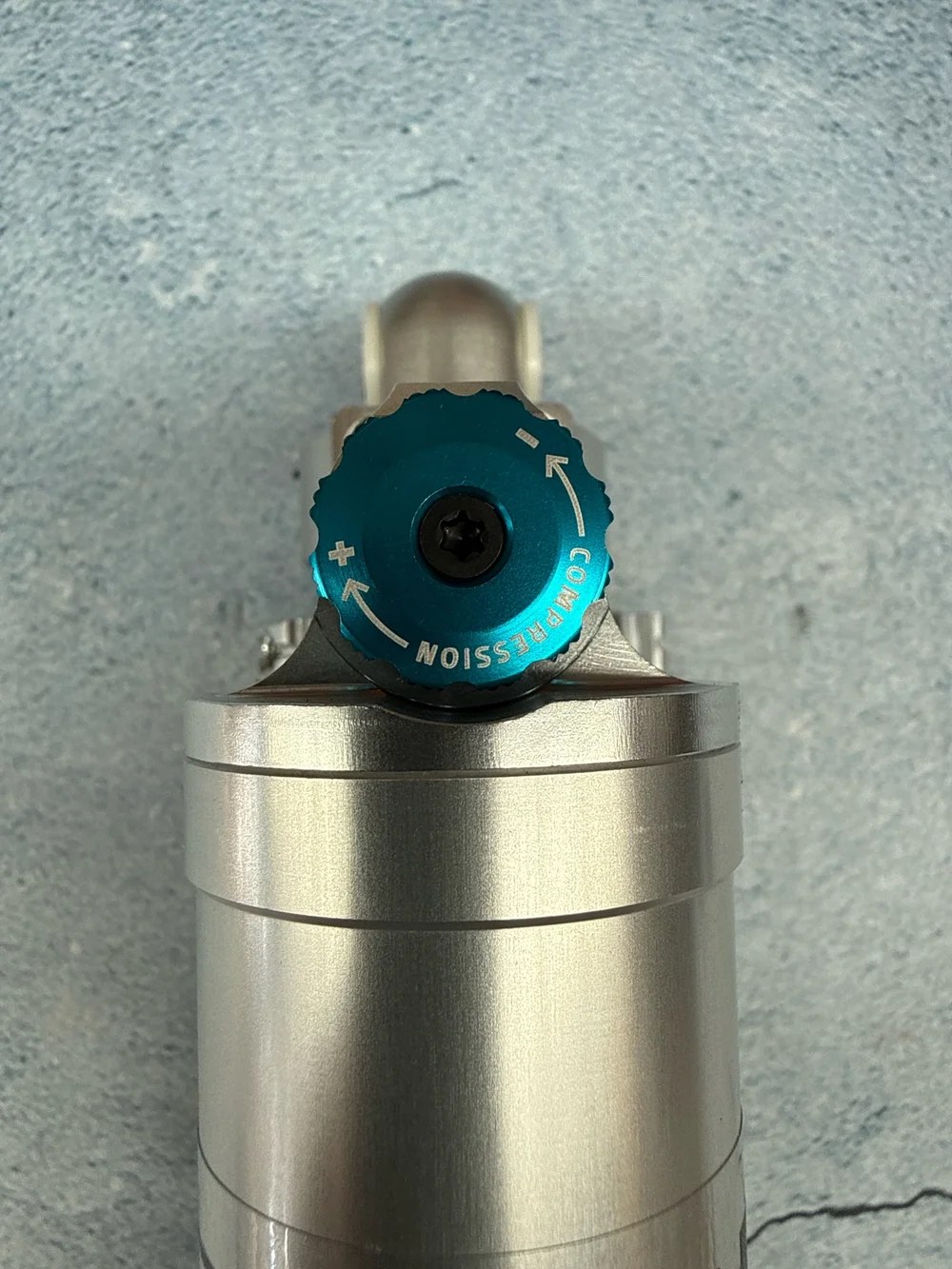
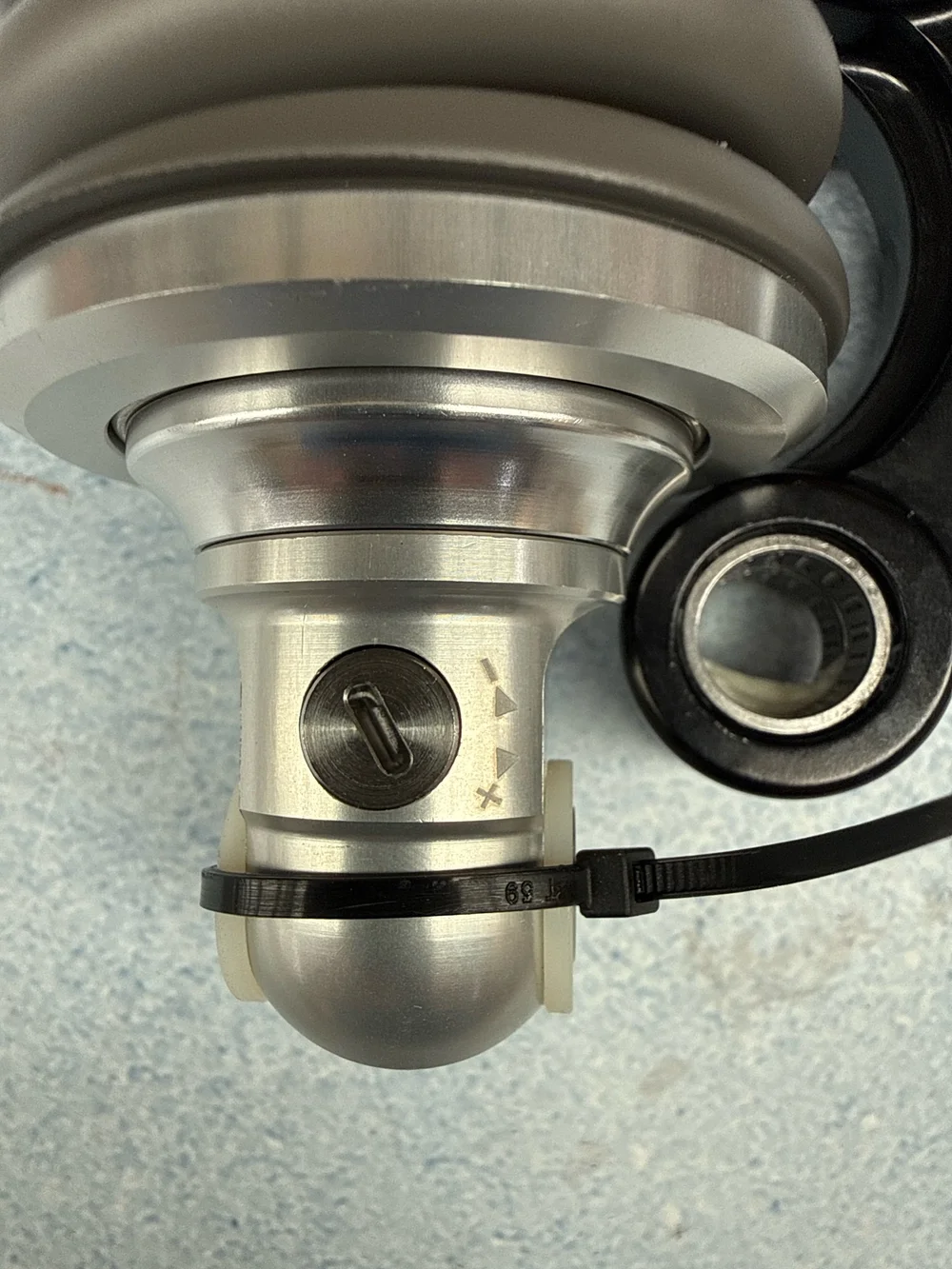
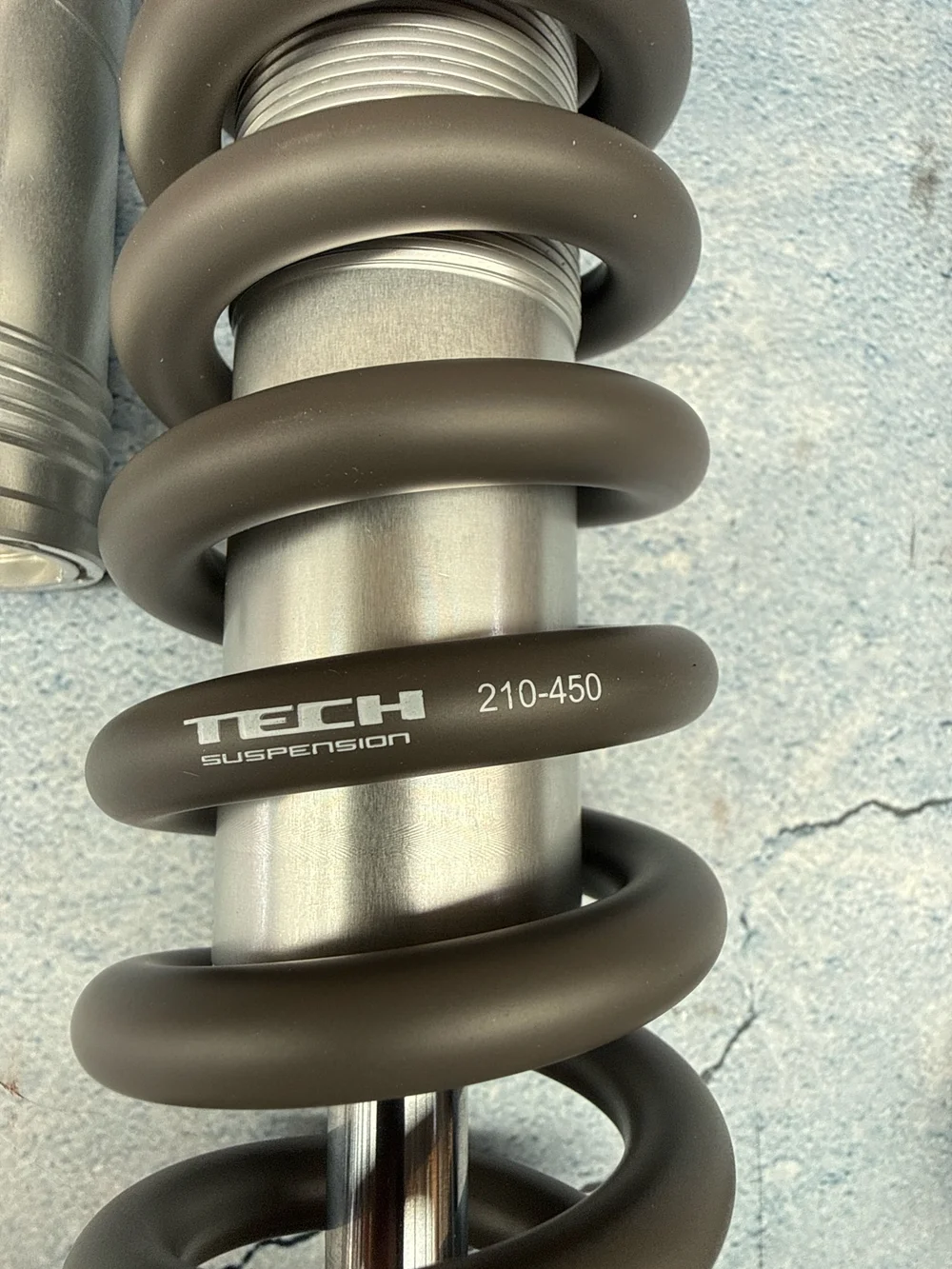
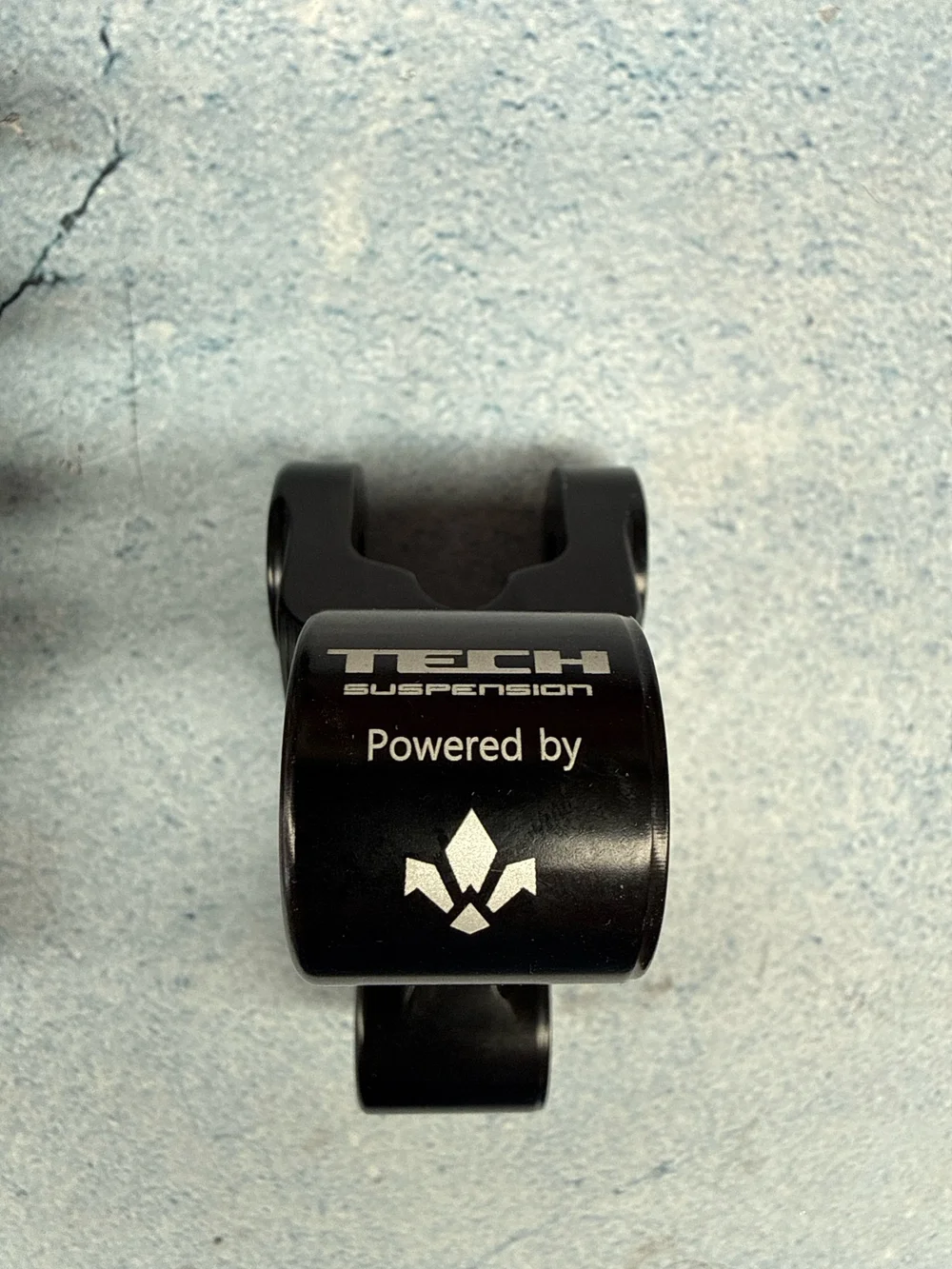
Formula Rear Shock Absorber and Linkage: Precision Suspension for Race Performance
A Formula rear shock absorber and linkage system is a critical part of a high-performance race car suspension setup. Designed to control wheel movement, manage load transfer, and keep the tyres firmly connected to the racing surface, this system has a direct influence on grip, stability, braking, cornering, and driver confidence. In Formula-style race cars, where aerodynamic forces and cornering speeds are exceptionally high, rear suspension precision is essential.
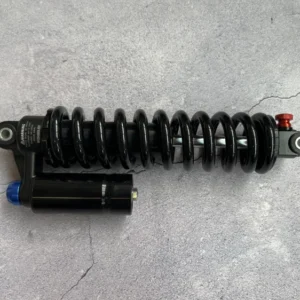
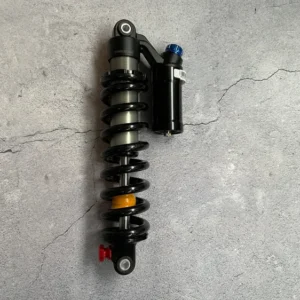
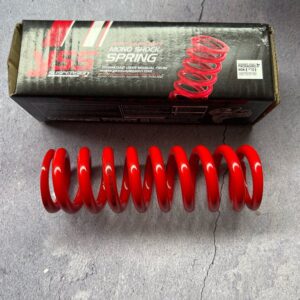
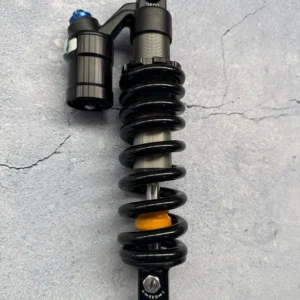
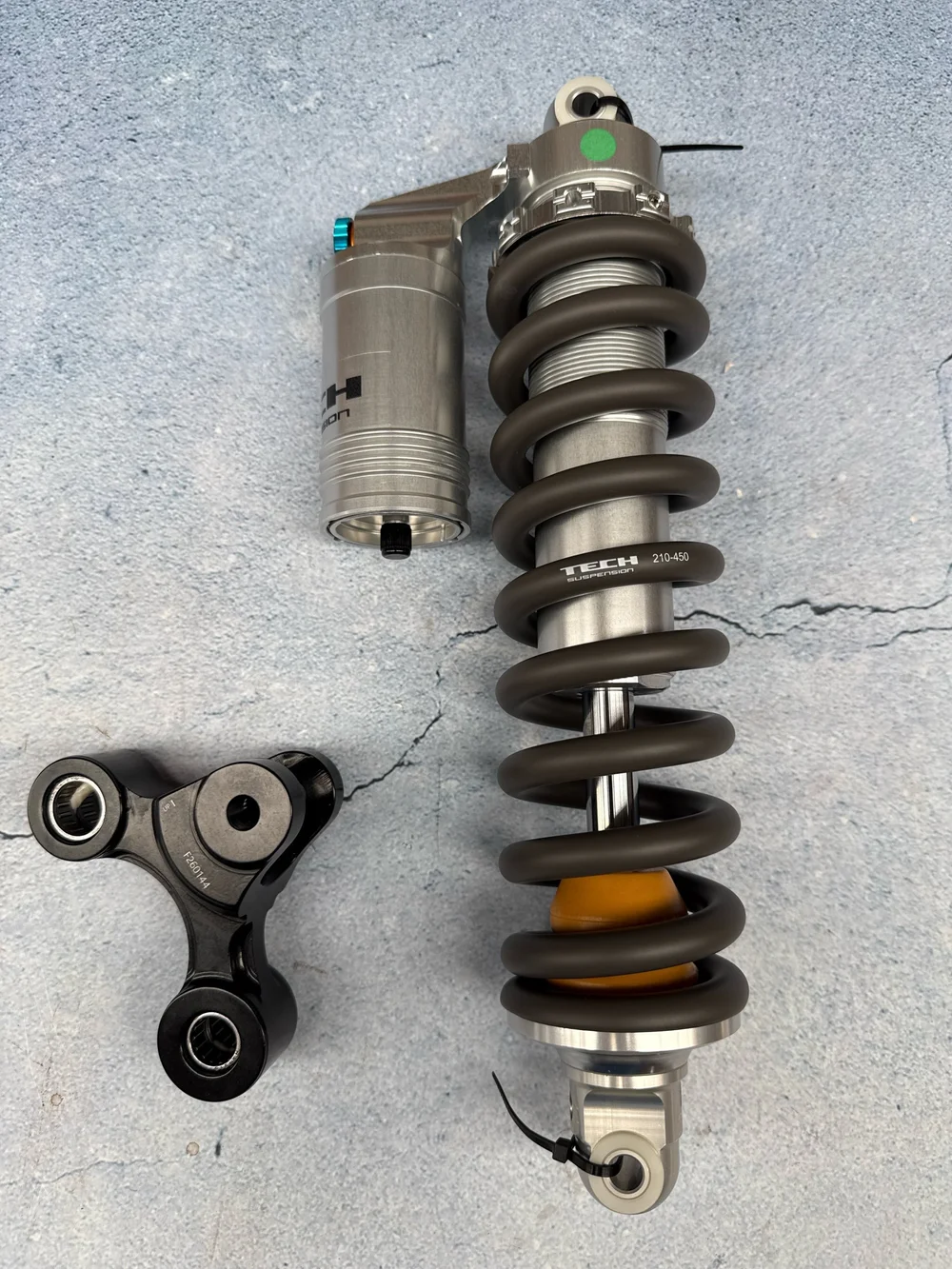
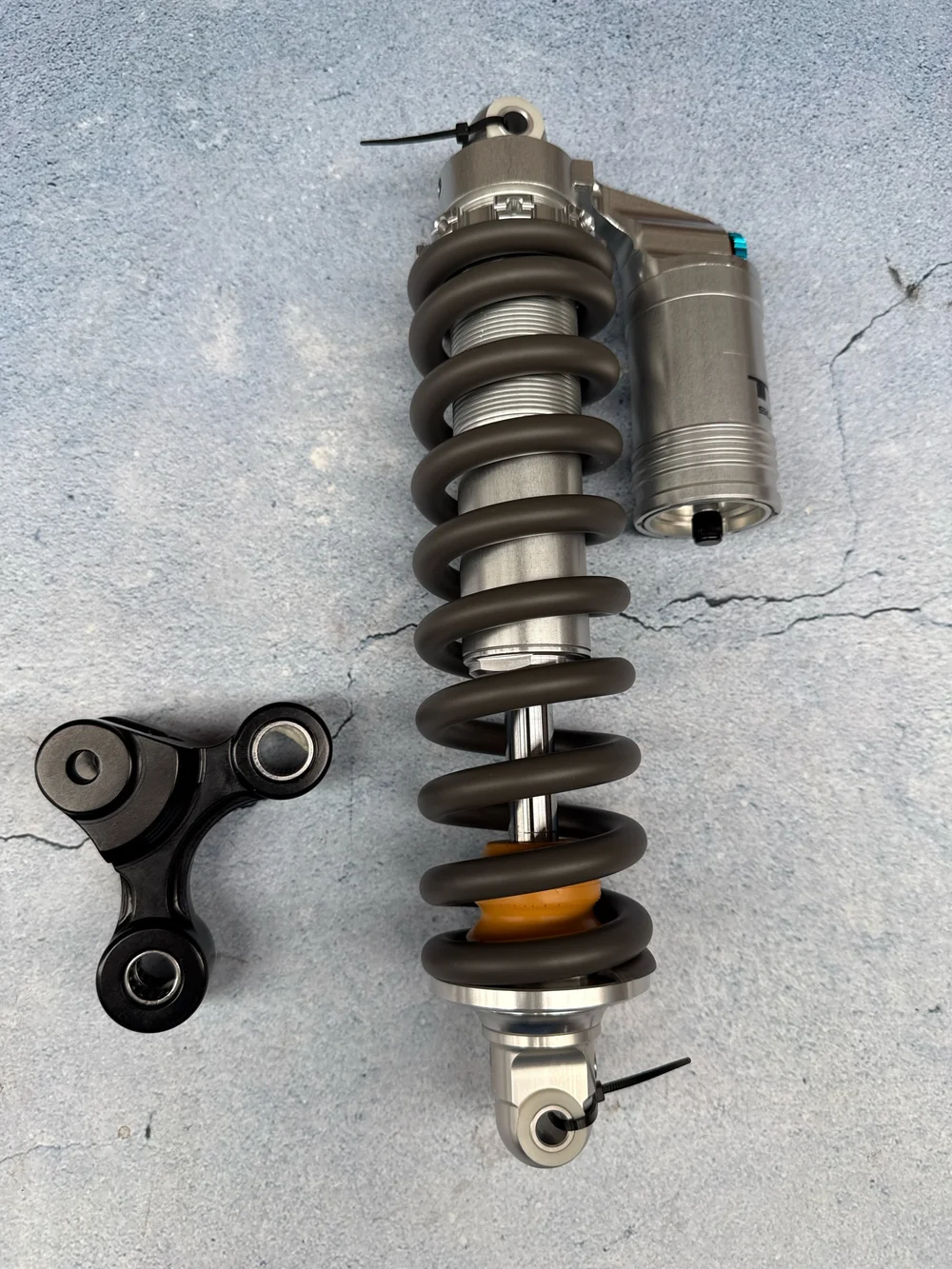
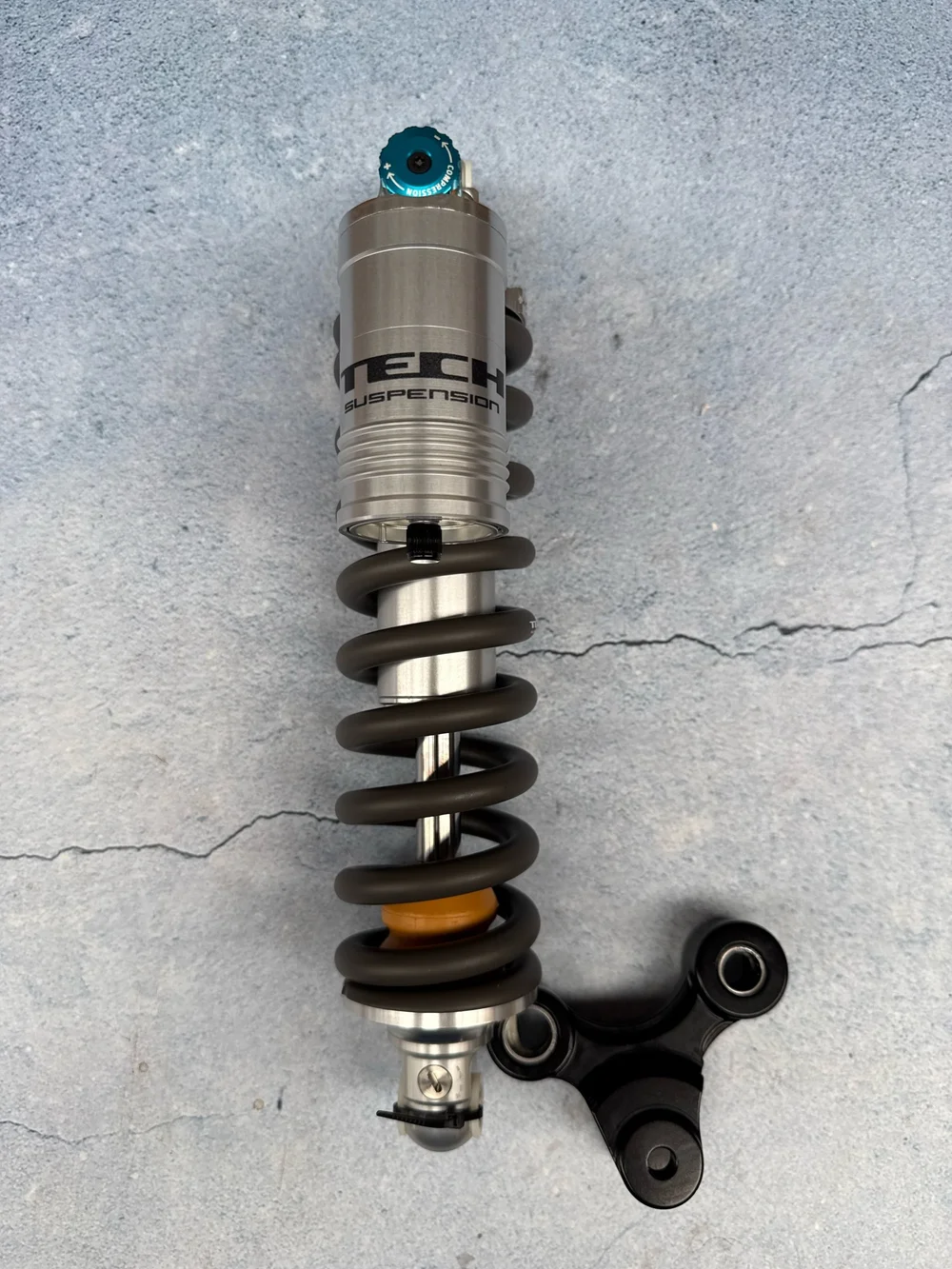
The rear shock absorber, also called a damper, works alongside the spring to control how quickly the suspension compresses and rebounds. Springs support the vehicle and absorb impacts, while dampers regulate the resulting movement and turn suspension energy into heat. This prevents uncontrolled bouncing, improves tyre contact, and helps the car remain predictable through bumps, kerbs, acceleration zones, and fast direction changes.
How Formula Rear Shock Absorbers Work
A Formula rear shock absorber is engineered for far more than ride comfort. Its primary purpose is to maintain consistent tyre contact while supporting the aerodynamic and mechanical balance of the car. If rear damping is too soft, the rear of the car may squat excessively under acceleration, move too much over kerbs, or become unstable in high-speed corners. If damping is too stiff, the rear tyres may skip over uneven track surfaces and lose valuable traction.
Race-spec rear dampers typically offer adjustment for compression and rebound. Compression damping controls how quickly the shock absorber moves inward when the suspension is loaded, such as when the car hits a bump or the rear axle compresses during acceleration. Rebound damping controls the speed at which the shock extends after compression. Correctly balancing these settings allows teams and drivers to tune the car for circuit conditions, tyre compounds, track temperature, aerodynamic load, and driving style.
For example, a smoother circuit may allow a firmer rear damper setup that delivers sharp response and stable aerodynamic ride height. A bumpy track may require more compliance to help the rear tyres follow the road surface rather than bouncing across it.
The Role of Rear Linkage
The rear linkage transfers wheel movement to the inboard spring and damper assembly. Formula cars commonly use a double-wishbone layout with a push-rod or pull-rod mechanism, allowing the spring and damper units to be positioned inside the chassis rather than directly beside the wheels.
This configuration offers several major advantages:
-
It helps reduce unsprung mass at the wheel assembly, improving the suspension’s ability to react to track surface changes.
-
It enables more precise control of suspension geometry and motion ratio.
-
It protects sensitive damper components from direct debris and airflow.
-
It gives engineers greater freedom to package suspension parts around aerodynamic surfaces, the gearbox, drivetrain, and diffuser area.
-
It allows adjustment of anti-roll, heave, and damping characteristics for highly targeted chassis tuning.
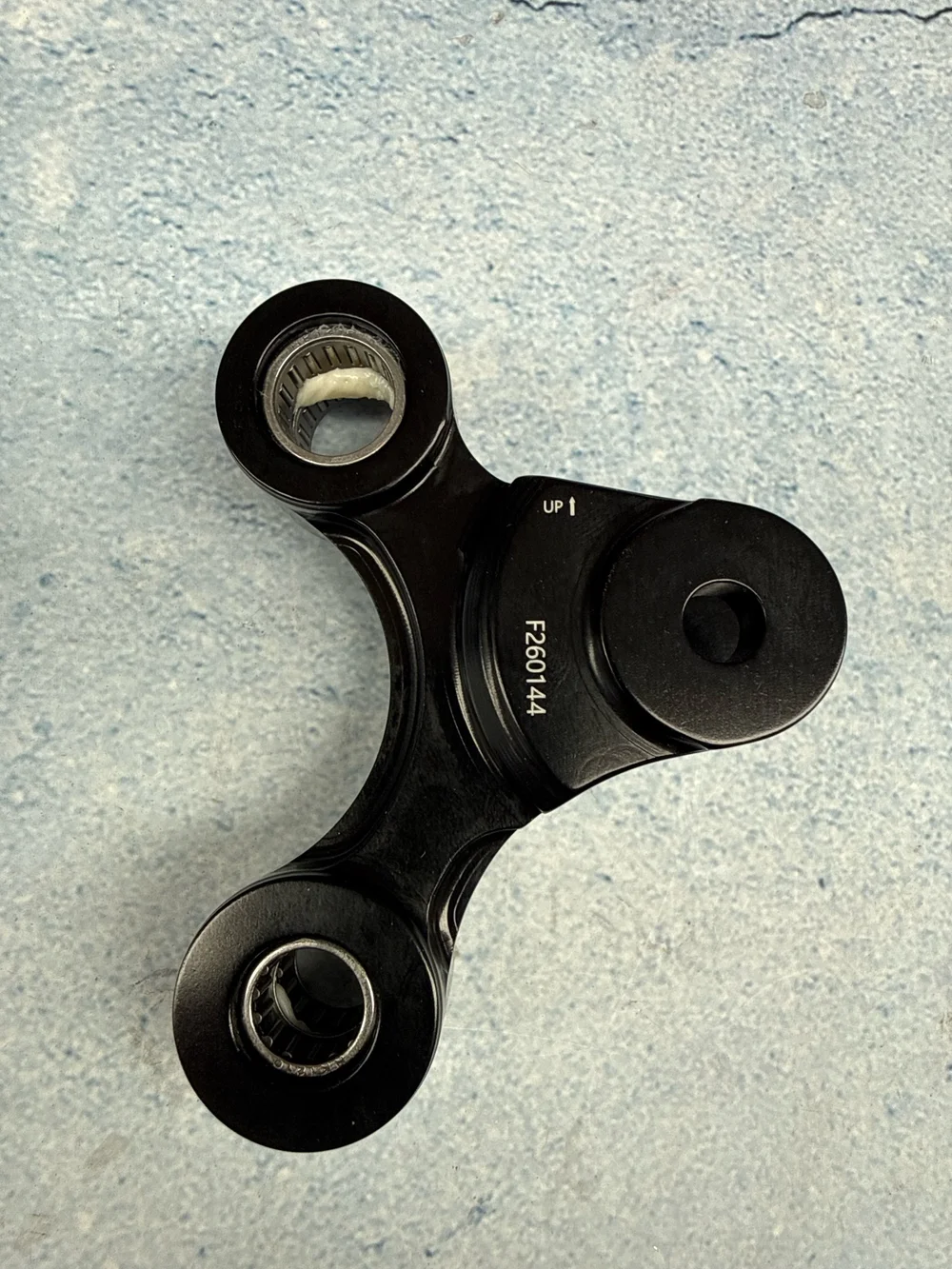
The rear linkage may include push rods or pull rods, rockers, bell cranks, wishbones, toe links, bearings, mounting hardware, and the rear shock absorber itself. Each part must work with minimal flex and friction. Even small amounts of play in a linkage joint can affect suspension consistency, wheel alignment, tyre wear, and handling feedback.
Why Setup Matters
A high-quality Formula rear shock absorber and linkage system helps optimize traction during corner exit, one of the most important performance areas in open-wheel racing. As the driver applies throttle, the rear suspension must control squat while allowing the tyres to maintain grip. Too much rear movement can alter ride height and aerodynamic balance; too little compliance can reduce mechanical grip over bumps and kerbs.
Rear suspension tuning also affects braking stability. While the rear wheels carry less load under hard braking, poor rebound or compression control can make the car feel nervous when entering corners. A properly matched damper and linkage setup supports smoother weight transfer, enabling more stable braking and improved turn-in confidence.
Maintenance and Upgrade Considerations
Regular inspection is essential for any Formula rear suspension system. Check the shock absorber for oil leaks, damaged shafts, worn seals, and inconsistent damping. Inspect linkage bearings, rod ends, mounting bolts, bushings, and suspension pickup points for wear.